

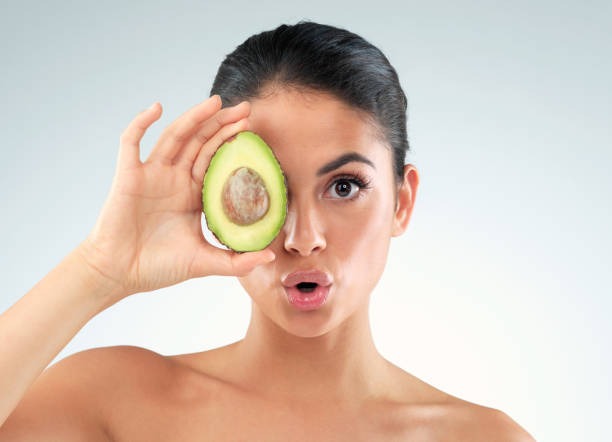

When skin is healthy it shows good health, although at times, people have been ignoring the importance of nutrition to have a glamorous skin. Research in science is becoming more and more solid in affirming the idea that there are essential nutrients found in certain foods that help in maintaining the structure of the skin, help prevent environmental damage and help in repairing skin.
This article discusses the most optimal foods to be eaten to maintain healthy skin, and delves into the evidence-based nutrients and their food sources so that you can both be beautiful and healthy through what you eat.
The importance of Diet to Skin Health
Skin is the largest body organ and the state of it is a direct result of what you eat. The nutrients that help in the production of collagen, hydration, and antioxidants as well as healthy fats help in prevention of oxidative stress. Unhealthy eating may hasten the aging process, dehydration, and inflammation, whereas a well-balanced diet can supply energy and youthfulness.
Best Vitamins and Vitamins Sources of Nutrients to the Skin
1. The Collagen Booster by Vitamin C

Vitamin C is very important in the generation of collagen which is the protein that keeps the skin firm and elastic. It is also a powerful antioxidant and removes the free radicals which lead to early aging.
Best sources Citrus fruits (oranges or lemons), strawberries, kiwi, bell pepper, broccoli and kale.
Research implication: It has been found in research that consumption of vitamin C is associated with fewer wrinkles and less dryness(NIH Vitamin C Fact Sheet).
2. Omega-3 Fatty Acids: Power Anti-Inflammatory
- This is because the omega-3s maintain the skin barrier and inflating easily triggered by acnes, eczema, and psoriasis.
- Best sources Walnuts, flaxseeds, and chia seeds, fatty fish (salmon, mackerel, sardines).
- The scientific evidence: Clinical trials show omega-3 supplementation increases the skin hydration and reduces the sensitivity.
3. Vitamin E: Protection of the Cells
- Vitamin E is a lipid based antioxidant that helps safeguard the skin cell membranes against oxidative stressors brought about by the UV radiation and pollution.
- Best suppliers include almonds, sunflower seeds, spinach, and avocados.
- Type: Vitamin E is a vitamin that has a synergetic effect with vitamin C and increase protection.
4. Zinc: Animal Skin Repairs and Immunity
- Zinc is a very important component of wound healing, inflammations, as well as regulating the activity of the oil glands.
- Best of the best: Oysters, beef, pumpkin seeds, lentils and chickpeas.
- Clinical relevance Zinc deficiency is associated with acnes and slow wound healing.
5. Polyphenols: The Skin Shield of Nature
Polyphenols are antioxidant and anti-inflammatory substances that are contained in a number of plant foods and help to protect the skin against the effects of UV radiation as well as enhance the skin elasticity.
The combination of a variety of these nutrient-rich foods in a day balances in support of the health of the skin. As an example, spinach, flaxseeds and berries in a smoothie make good antioxidants of vitamin C, polyphenols and omega-3s. The lunch could consist of a salmon salad that is full of vitamin E and zinc. Diversity and consistency are the key.
Table: Summary of Best Foods for Skin Health and Key Benefits

| Nutrient | Key Benefits | Top Food Sources |
| Vitamin C | Collagen production, antioxidant | Citrus fruits, strawberries, bell peppers |
| Omega-3 Fatty Acids | Anti-inflammatory, hydration | Salmon, walnuts, flaxseeds |
| Vitamin E | Cellular protection | Almonds, sunflower seeds, avocados |
| Zinc | Skin repair, immune support | Oysters, beef, pumpkin seeds |
| Polyphenols | UV protection, elasticity | Green tea, dark chocolate, berries |
Professionals Advice on the most benefits to be gained through diet in skin
- Stay well hydrated: The water consumption should go hand in hand with nutrient absorption and to keep the skin hydrated.
- Limit the use of processed sugars: Oh, turned sugar may stimulate glycation which damages collagen and accelerates aging processes.
- On the quality of food: Organic and fresh food products usually have larger nutritional content and reduce negative additives.
- See health professionals: To get specific counseling, especially in the event that you have skin issues or food allergies.
Conclusion
Dietary measures are an effective, science-based method of maximizing your skin health, and they are even more effective than topical treatments. Overall, foods that are highly-enriched with vitamins C and E, omega-3 fatty acids, zinc and polyphenols provide a nourishment to your skin and support skin functions as it relates to structure, hydration, and other defense.
These nutrient-dense foods will give you a naturally glowing skin that is indicative of a healthy person when they are a regular one.
FAQs
| Question | Answer |
| What foods help reduce acne? | Zinc-rich foods like pumpkin seeds and oysters, along with omega-3 fatty acids, may reduce inflammation linked to acne. |
| Can antioxidants reverse skin aging? | Antioxidants like vitamins C and E protect against damage but cannot fully reverse aging; they help slow the process. |
| How much vitamin C do I need daily? | The recommended daily intake is around 75 mg for women and 90 mg for men, which supports skin and immune health. |
| Are supplements better than food? | Whole foods provide a complex mix of nutrients and are generally preferred; supplements can help if there are deficiencies. |
| Does hydration impact skin health? | Yes, drinking plenty of water helps maintain skin moisture and assists nutrient transport to skin cells. |